
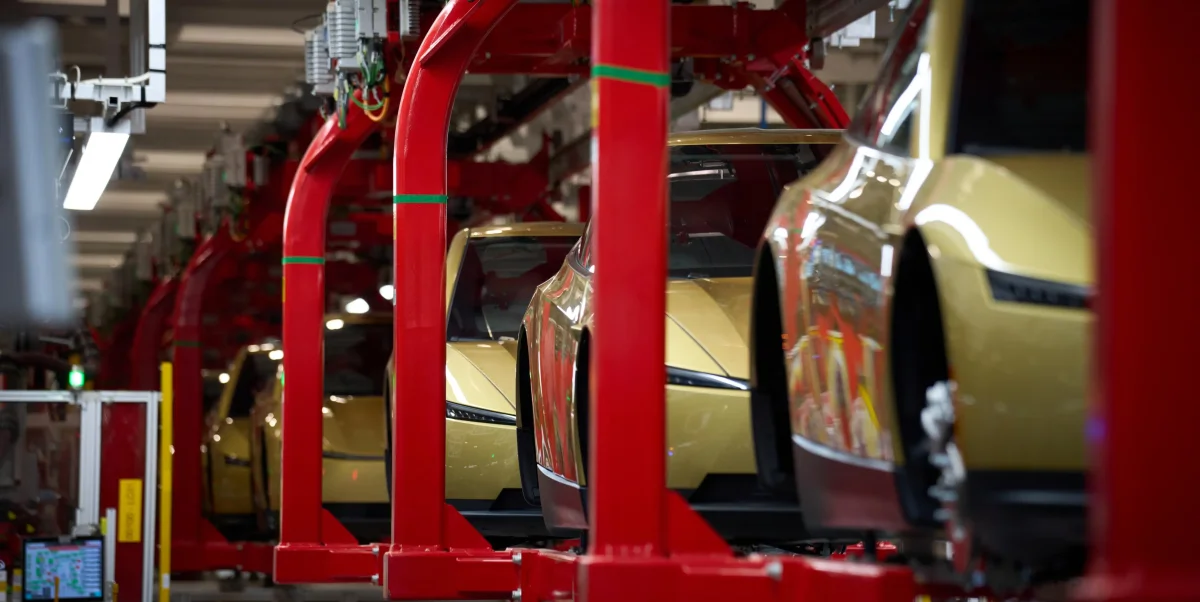

Tesla wants to more than double its vehicle production by the end of the decade. During Tesla’s Q3 2026 earnings call on Wednesday, Elon Musk said Tesla has been “laying the groundwork for a lot more manufacturing capacity” and is “aiming for 5 million vehicles a year by approximately 2030.” He added, “I think we’ve got a good shot of achieving that goal.”
Tesla went on to talk about Cybercab, which we imagine will be a big portion of these 5 million vehicles, saying it’s trying to get the first Cybercabs to customers before the end of the year. Keep in mind that’s just a couple months away.
Where Tesla’s Production Stands Today
Tesla’s installed capacity is somewhere around 2.3 million vehicles per year across its four main factories:
Giga Shanghai: Over 950,000 vehicles (Model 3 and Model Y)
Fremont: Over 550,000 vehicles (Model 3 and Model Y)
Giga Berlin: Over 375,000 vehicles (Model Y)
Giga Texas: Over 375,000 vehicles (mostly Model Y, plus Cybertruck and Cybercab)
Semi Factory: About 25,000 Semi units per year

Fremont used to have another 100,000 units of Model S and Model X capacity, but Tesla decommissioned those lines to make room for Optimus production.
Tesla VP Lars Moravy said its factories are “operating at record rates this quarter,” thanks to investments in increasing output at existing plants. “So in short, we are building new factories,” he continued, pointing to the Cybercab ramp at Giga Texas, the new Semi factory in Reno, and planned expansion at Giga Berlin. Tesla recently revealed plans to grow Giga Berlin to 1 million vehicles a year, with construction on a second production hall set to begin next year. It has also filed plans for a new factory building and logistics hub at the site.
Cybercab Could Drive Most of the Growth
We expect much of that new capacity to go toward the Cybercab. Tesla’s Robotaxi service is currently available in seven markets, but Cybercab rides are only running in Austin, where Tesla now has more than 300 Cybercabs, with Dallas next in line. There’s a lot of room for Cybercab to scale, and manufacturing will have to ramp up as it does.

Musk has also called the Cybercab the most likely next major product for Giga Berlin and hopes to bring it to Europe soon. At full speed, Tesla aims to produce one Cybercab every 10 seconds, so its output could eventually catch up to and even surpass the Model 3 and Model Y.
First Cybercab Sales Coming This Year
Right now, every Cybercab built at Giga Texas goes to Tesla’s own Robotaxi fleet. That’s about to change. “We’re trying to get Cybercabs to customers by the end of this year, 2026,” Moravy said, adding that Tesla will “start small” and scale from there.
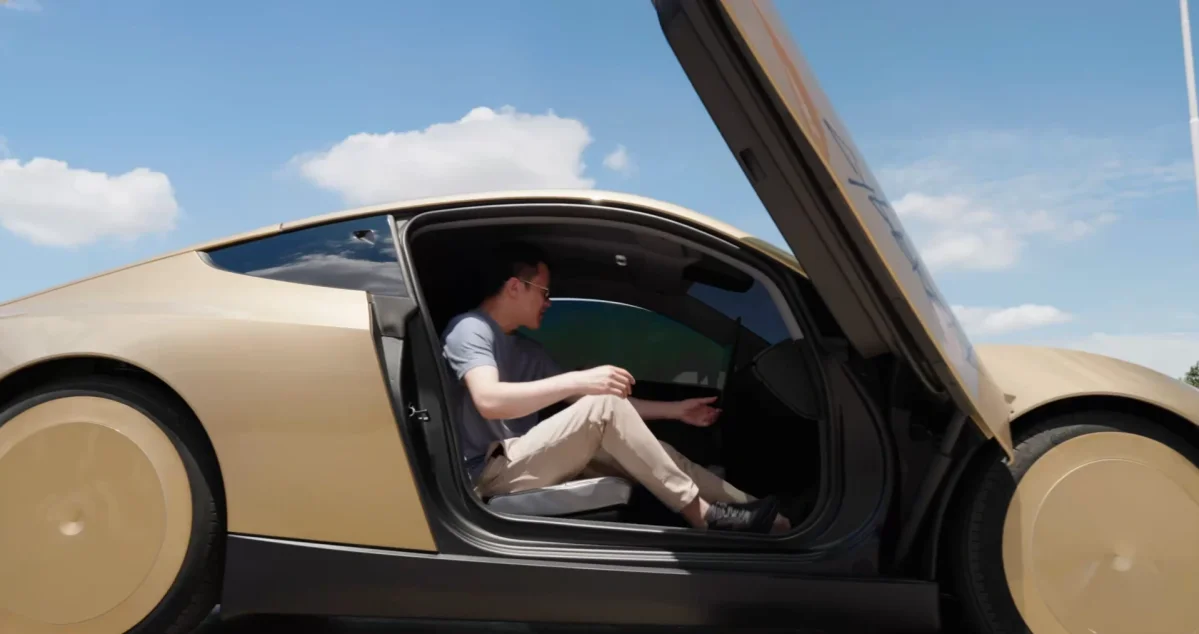
Musk previously promised Cybercab sales this year, but it’s still unclear who the first buyers will be. Tesla opened a form for businesses interested in buying Cybercab fleets last month, and Musk said on Wednesday’s call that “the vast majority of the Cybercab stuff will be Tesla-owned and transport as a service.” That said, he also has an ongoing bet with YouTuber MKBHD over whether Tesla will deliver a sub-$30,000 Cybercab to a regular customer before the end of this year.
We’ve already seen the Cybercab’s consumer-facing UI, so the software side looks ready. With just over two months left in 2026, we’ll soon find out whether the first Cybercabs go to fleet operators or individual owners — or are delivered at all.
Follow Us on Google
Add Not a Tesla App as a preferred source on Google to see more of our stories in Top Stories.
Add to Preferred SourcesOrdering a New Tesla?
Get FSD free for 3 months by using our referral code.



